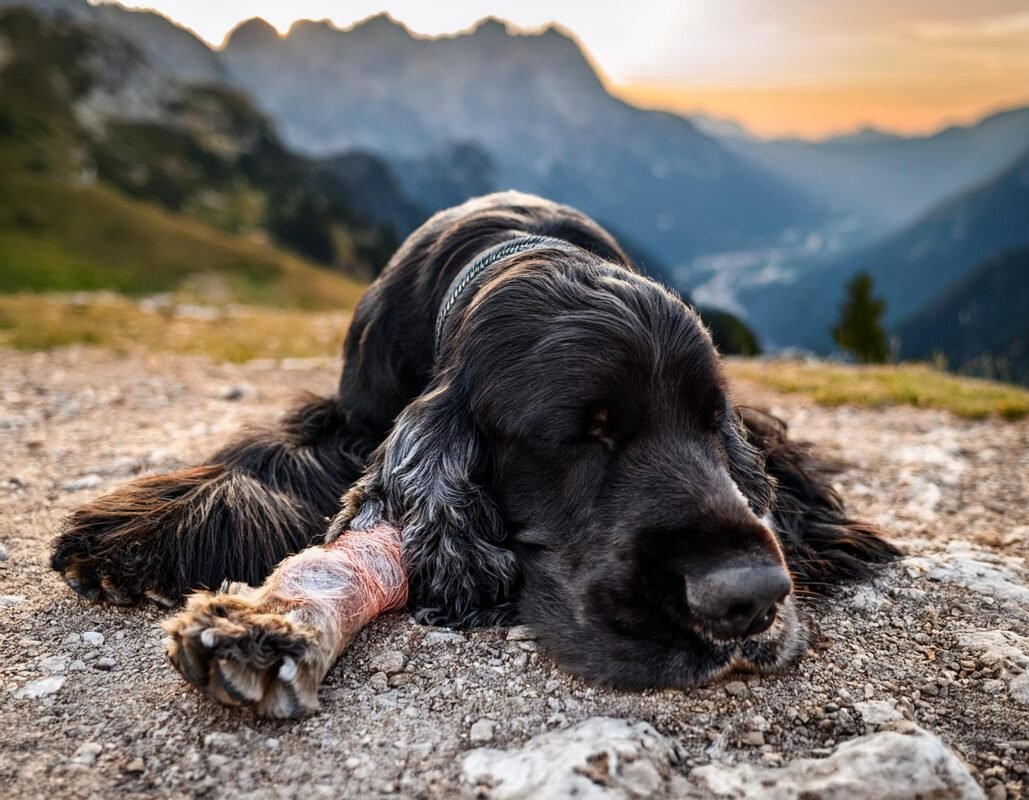

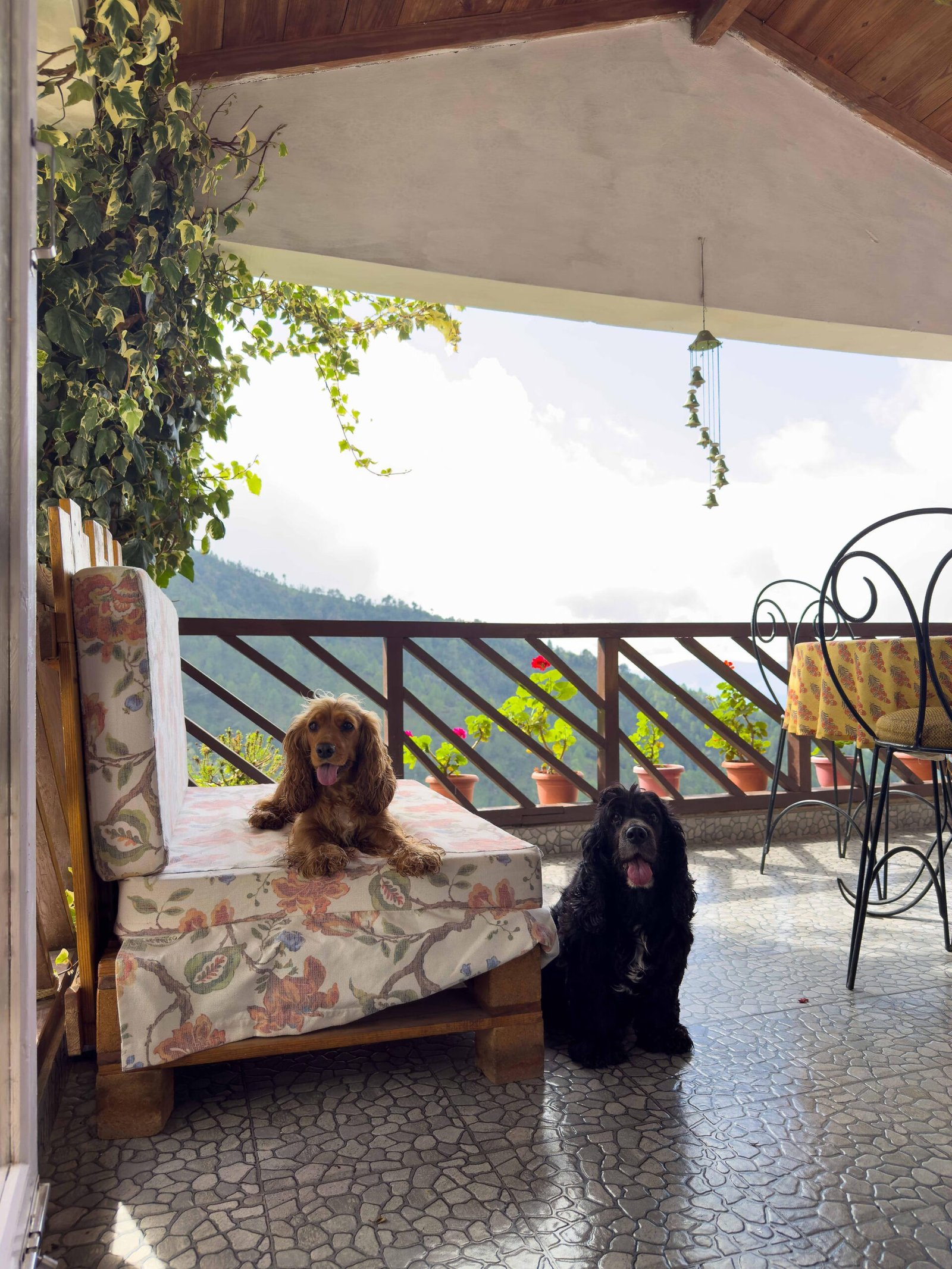
When we started our little homestay in Hartola, there was only Katie, our English Cocker Spaniel, after whom we had rather affectionately named our cottage. Today, she has a younger sister, Chloe, who, with her seemingly inexhaustible enthusiasm for everything around her, has become an equally important part of our lives in the mountains. Much like our little family, Hartola too has undergone considerable changes over the years, although, thankfully, it has managed to retain much of the character that drew us to this beautiful Himalayan village in the first place.

Katie and Chloe with Jackie
I remember the days when mentioning Hartola to friends and acquaintances invariably elicited a rather puzzled expression, followed by questions about where exactly it was located. Often, I would have to mention Mukteshwar or Ramgarh before people could establish some geographical semblance of where our village lay. Over the past few years, however, I have noticed a perceptible change. People have started recognising Hartola as a holiday destination in its own right, and some of our guests now come here specifically to visit Hartola rather than merely looking for accommodation in the vicinity of Mukteshwar.
For those of us who have witnessed this gradual transformation, it has been an interesting journey.
Getting to Hartola is Now Much Easier
Perhaps the most significant change for anyone travelling to Hartola from Delhi and the National Capital Region has been the improvement in road connectivity.
During our initial years in Hartola, considerable portions of the highway were still under construction, and the journey from the plains to the foothills of Kumaon could occasionally become quite tedious, particularly while negotiating diversions, unfinished stretches and congested towns. The completion of the highway, along with the operational Rampur bypass, has made the journey considerably more comfortable than what we were accustomed to several years ago.
Closer home, until 2025, the last 1.2 kilometres of the PWD road leading to our cottage remained a kucha road, which, depending on the season, could provide an entirely different driving experience. During the dry months, it was dust that accompanied us, while the monsoons often transformed stretches of the road into a rather challenging combination of mud, loose stones and rainwater.
For years, we had hoped that this stretch would eventually be metalled, and I am particularly happy that it finally has been. Guests driving to Katie’s Abode today no longer have to negotiate that unpaved stretch of road, something that will undoubtedly come as welcome news to those who had visited us in the past.
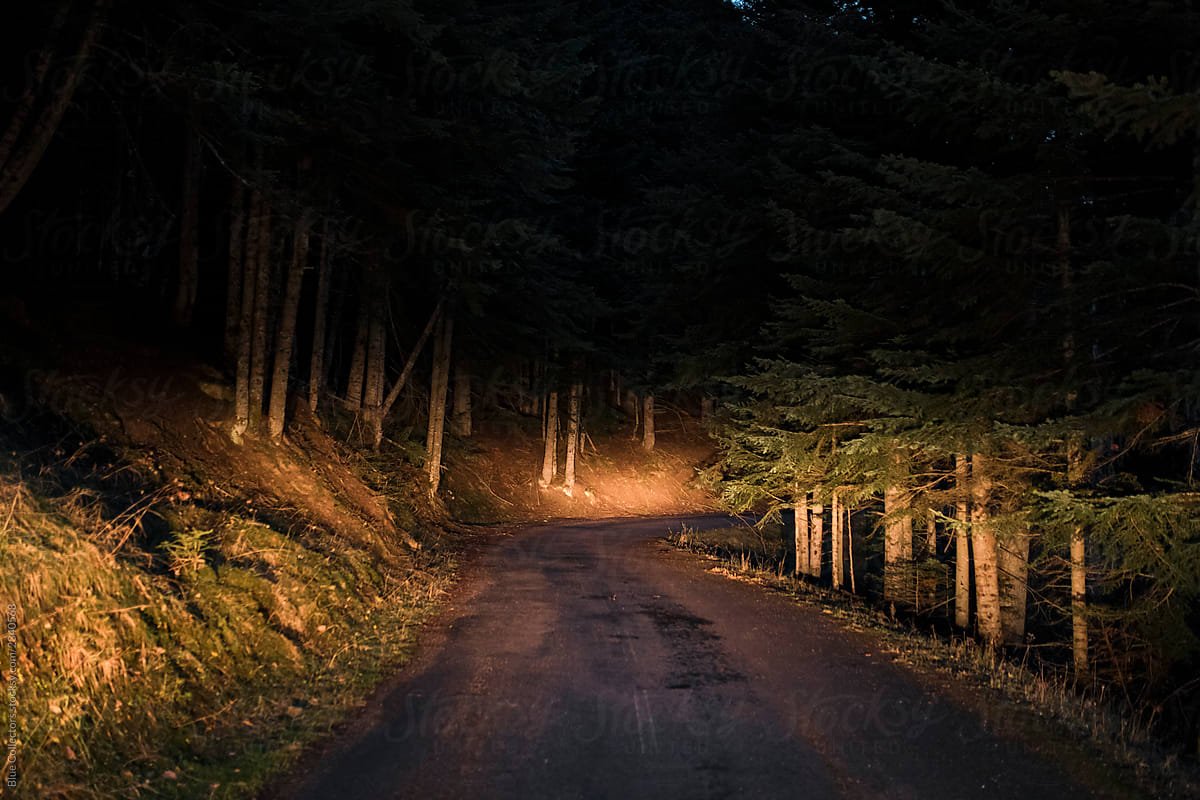
Nevertheless, the last leg of the journey remains a drive through the mountains, and I would still recommend reaching Hartola before sunset, particularly if you are unfamiliar with driving in the hills.
From an Unknown Village to an Emerging Holiday Destination
When I wrote my first detailed article about Hartola in August 2021, the village had no hotels and only a handful of homestays, most of which were essentially holiday homes whose owners had decided to extend their hospitality to visitors.
Today, Hartola even has a hotel operated by the Tata Group, something that would have been difficult to envisage during our early years here.
The emergence of organised hospitality, alongside the growing number of homestays and holiday cottages, is perhaps indicative of the recognition that Hartola has gradually acquired among travellers looking beyond the conventional hill stations of Uttarakhand.
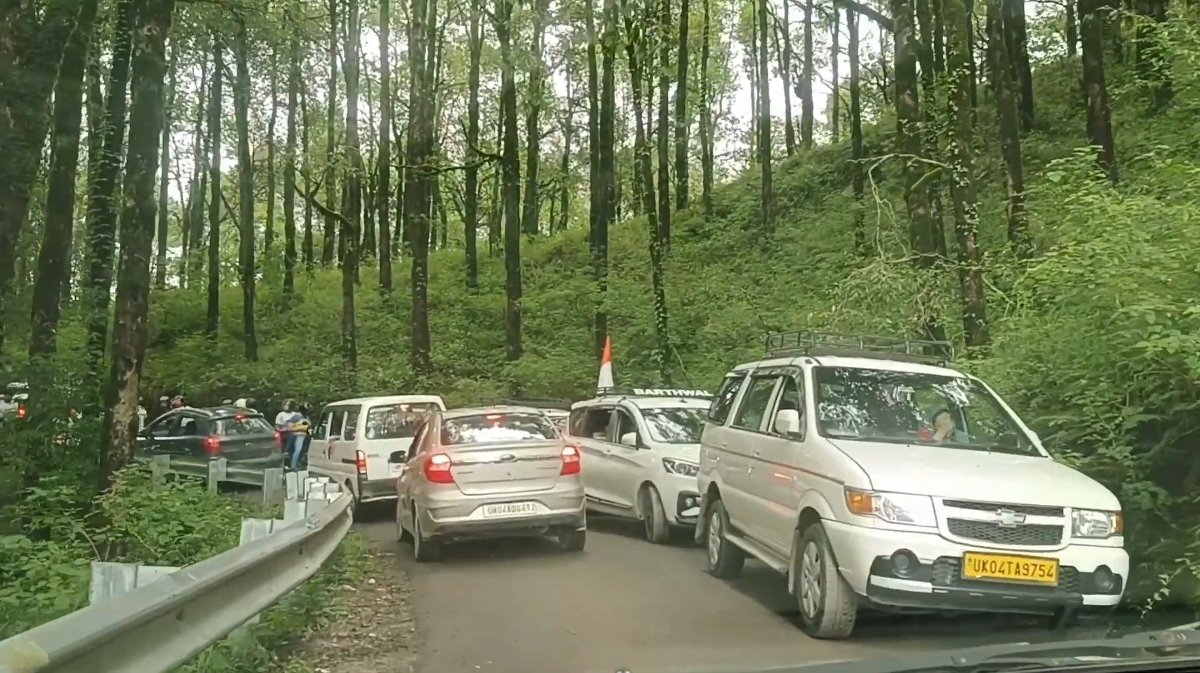
What I find particularly interesting is that many of the people choosing to holiday in Hartola today have already visited destinations such as Nainital, Shimla, Manali and Mukteshwar, and are consciously looking for somewhere different. They are not necessarily looking for another destination with a long list of tourist attractions, but rather a place where they can spend a few days without the crowds, traffic and incessant activity that characterise many of our popular hill stations.
In that respect, Hartola continues to offer something that is becoming increasingly difficult to find.
The Himalayas, Our Constant Companions
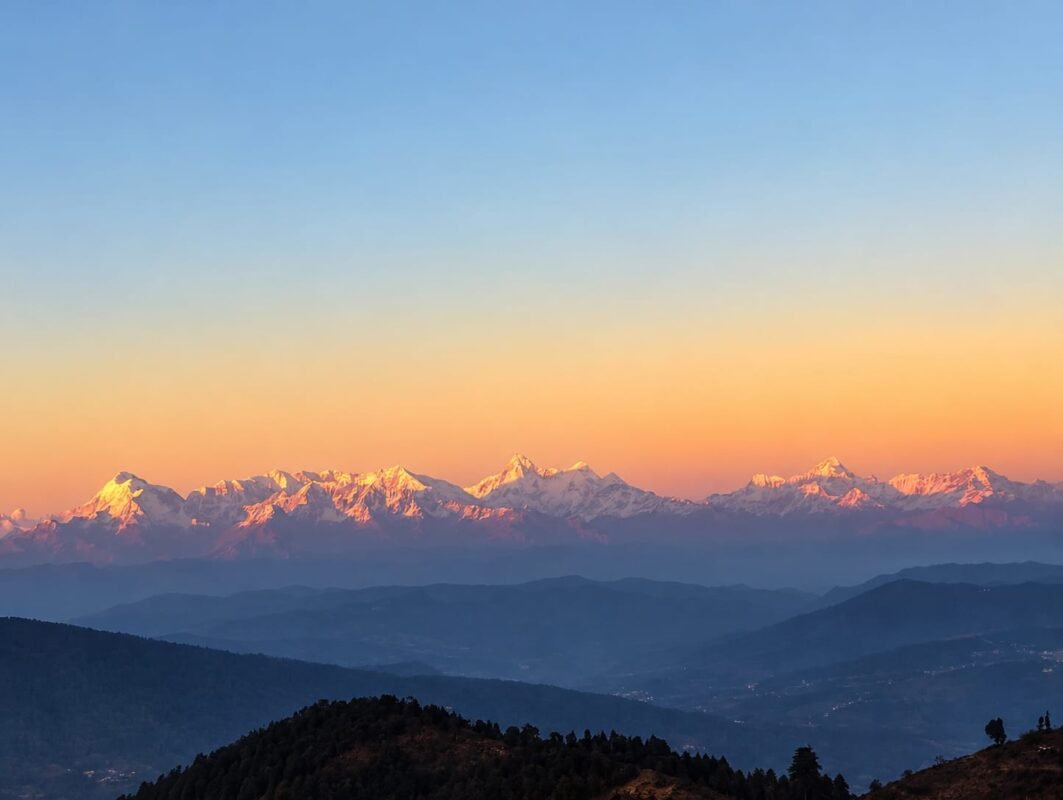
Of all the things that have changed in Hartola over the years, the one that fortunately remains unchanged is the magnificent Himalayan landscape that greets us on a clear morning.
Having spent so many years here, one would imagine that the novelty of looking at the snow-covered peaks would eventually wear off, but I can quite categorically say that it hasn’t. There are mornings when I still find myself reaching for my camera, despite having photographed the same mountains innumerable times, simply because the light falling upon them is different from what I had witnessed the previous day.
From Hartola, one can admire an expansive stretch of the Himalayan range, including the imposing peaks of Trishul and Nanda Devi, provided the weather and atmospheric conditions are favourable.
The mountains have their own moods, sometimes remaining concealed behind clouds for days together, only to emerge one fine morning in all their splendour. During the winter months, when the skies are particularly clear, watching the first rays of the sun gradually illuminate the snow-covered summits remains one of my favourite experiences in Hartola.
It is an experience for which one does not necessarily have to undertake an arduous trek or drive to a designated viewpoint. Sometimes, all that is required is a comfortable chair, a cup of tea and a little patience.
By the way this year, the Himalayas have looked particularly majestic, with the peaks appearing considerably larger and whiter than they did over the past couple of years, when much of the exposed mountain face appeared almost black, with snow largely confined to the summits. Although this is no indication of how much snowfall Hartola might receive, we remain hopeful of witnessing a generous spell of snow this winter, reminiscent of the winters of yesteryears, not merely for the beauty it lends to the landscape, but also for the benefit it brings to our fruit orchards, particularly the apple trees, which thrive on adequate winter chilling and the soil moisture provided by melting snow
Experiencing the Different Seasons of Hartola
One of the questions I am frequently asked by prospective guests is about the best time to visit Hartola, and I have always found it rather difficult to recommend one particular season over another.
Each season brings with it a distinctly different landscape, and the choice largely depends on what one wishes to experience during a holiday in the mountains.
Spring: When the Orchards Come Alive

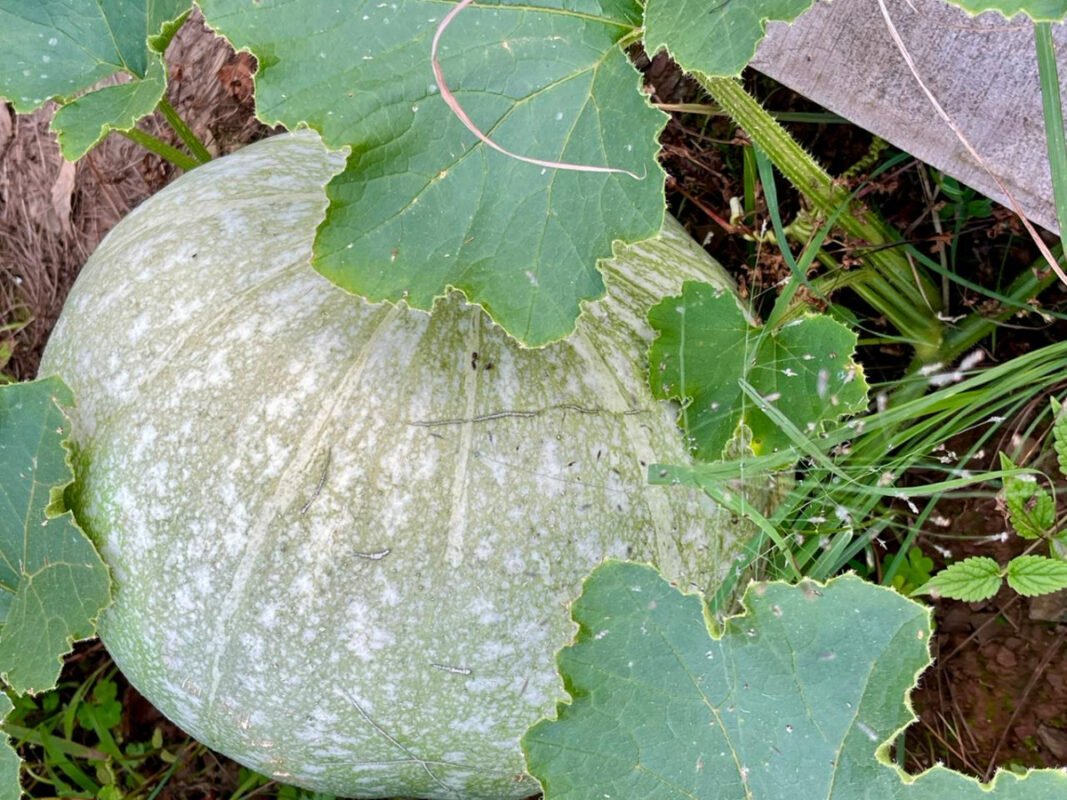
Surroundings of Katie’s Abode Hartola homestay during the fruit season
There is something particularly beautiful about watching the orchards awaken after the long winter, when the seemingly lifeless branches of apple, peach, plum and apricot trees gradually become adorned with delicate blossoms.
The flowering of the fruit trees, coupled with the brilliant red blossoms of buransh, or rhododendron, in the surrounding forests, lends the landscape a freshness and vibrancy that is quite different from what one witnesses during the rest of the year.
For those interested in photography and leisurely walks through the countryside, spring can be a particularly rewarding time to visit Hartola.
Summer: An Escape from the Heat
As temperatures in the plains begin to soar, Hartola becomes a welcome retreat for those looking to escape the oppressive summer heat.
This is also the period when the orchards begin yielding their produce, and depending on the month of your visit, you may find trees laden with peaches, plums, apricots or apples. Having fruit trees on our own farm has given us a greater appreciation of the effort that goes into cultivating these fruits, as well as the uncertainty that farmers have to contend with because of changing weather patterns.
For someone accustomed to buying fruits from supermarkets in the cities, there is an altogether different pleasure in seeing them growing on trees.
Monsoon: A Landscape Transformed
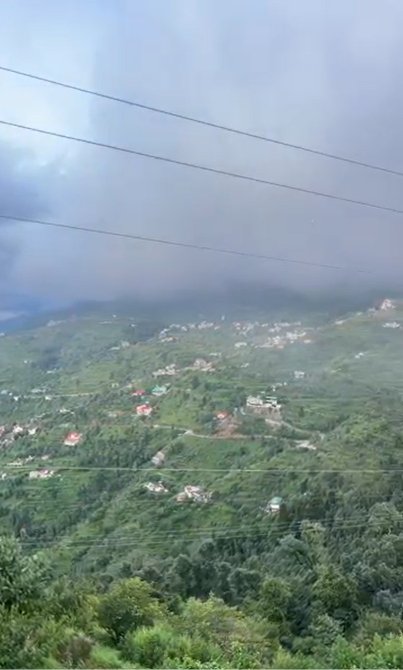
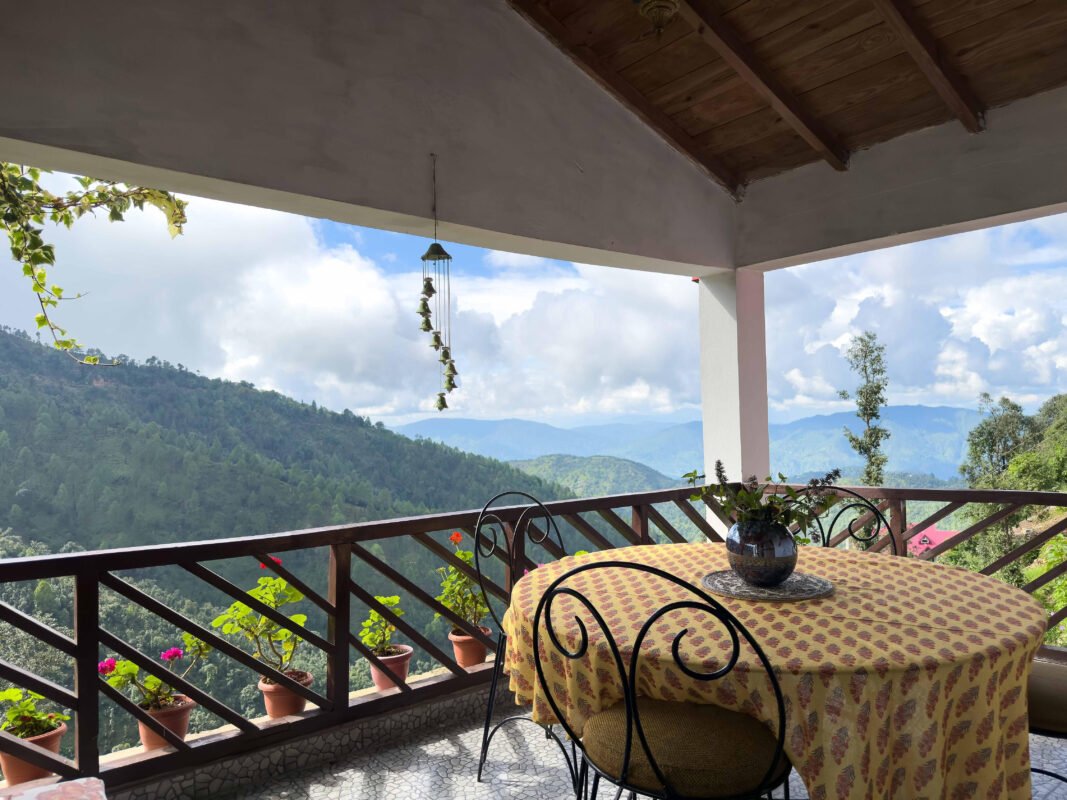
Monsoons in Hartola
Although the monsoon requires a certain degree of caution while travelling in the mountains, it transforms Hartola into a landscape of extraordinary beauty.
The forests acquire deeper shades of green, clouds drift through the valleys and occasionally envelop our cottage, while the fragrance of rain-soaked earth permeates the surroundings. There are days when the Himalayas remain completely hidden from view, but the constantly changing interplay of mist, clouds and mountains compensates for their absence.
For those who enjoy reading, writing or simply watching the rain from the comfort of a covered balcony, the monsoon has a charm of its own.
Autumn: The Return of the Himalayas
As the monsoon gradually withdraws, the skies become clearer, visibility improves and the snow-covered Himalayan peaks once again begin to dominate the landscape.
The pleasant daytime temperatures and increasingly cool evenings make autumn particularly conducive to exploring the village, undertaking nature walks and spending long hours outdoors.
If your primary reason for visiting Hartola is to photograph the Himalayan range, the months following the monsoon are certainly worth considering.
Winter: The Quietest Time of the Year
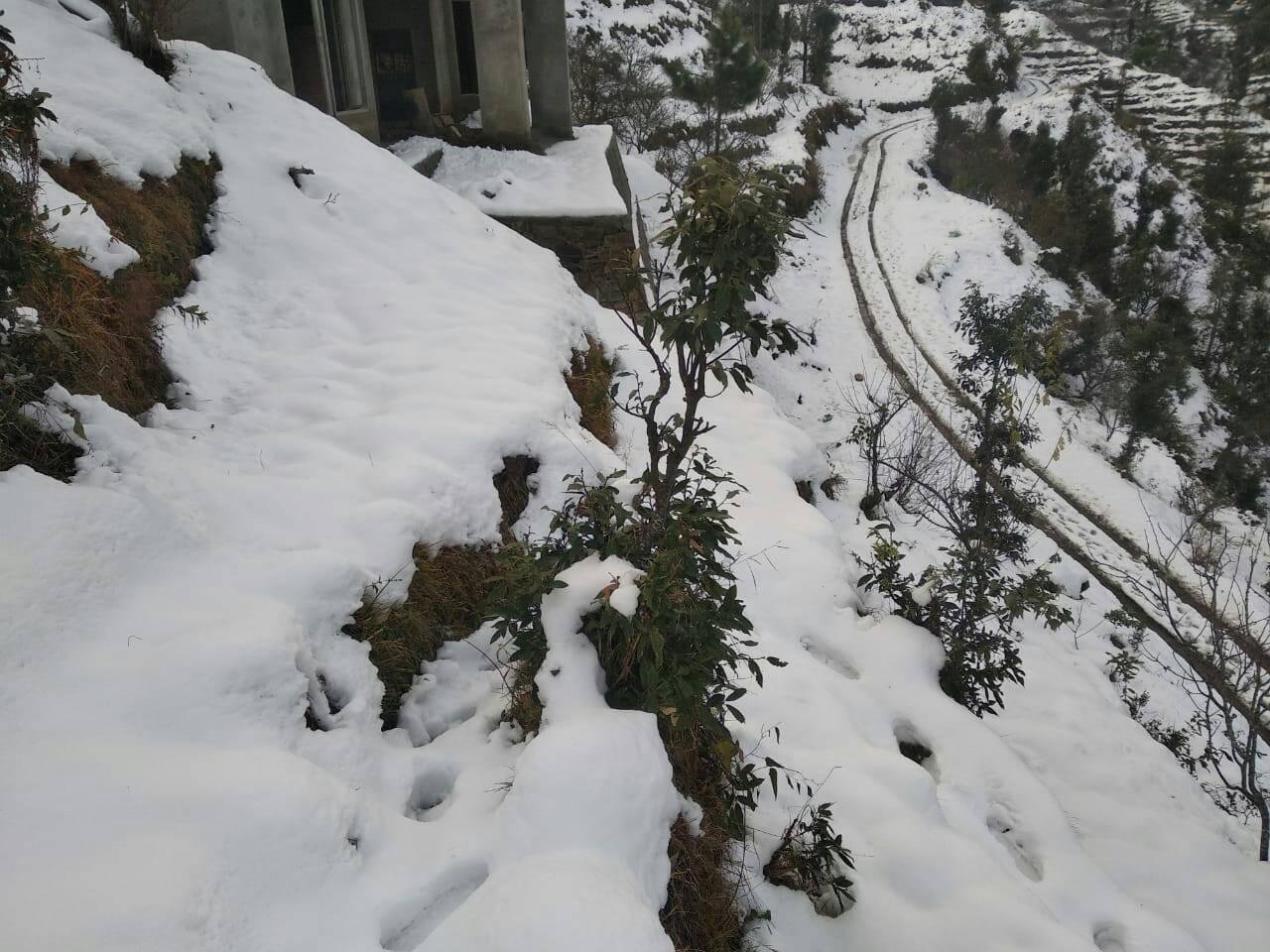
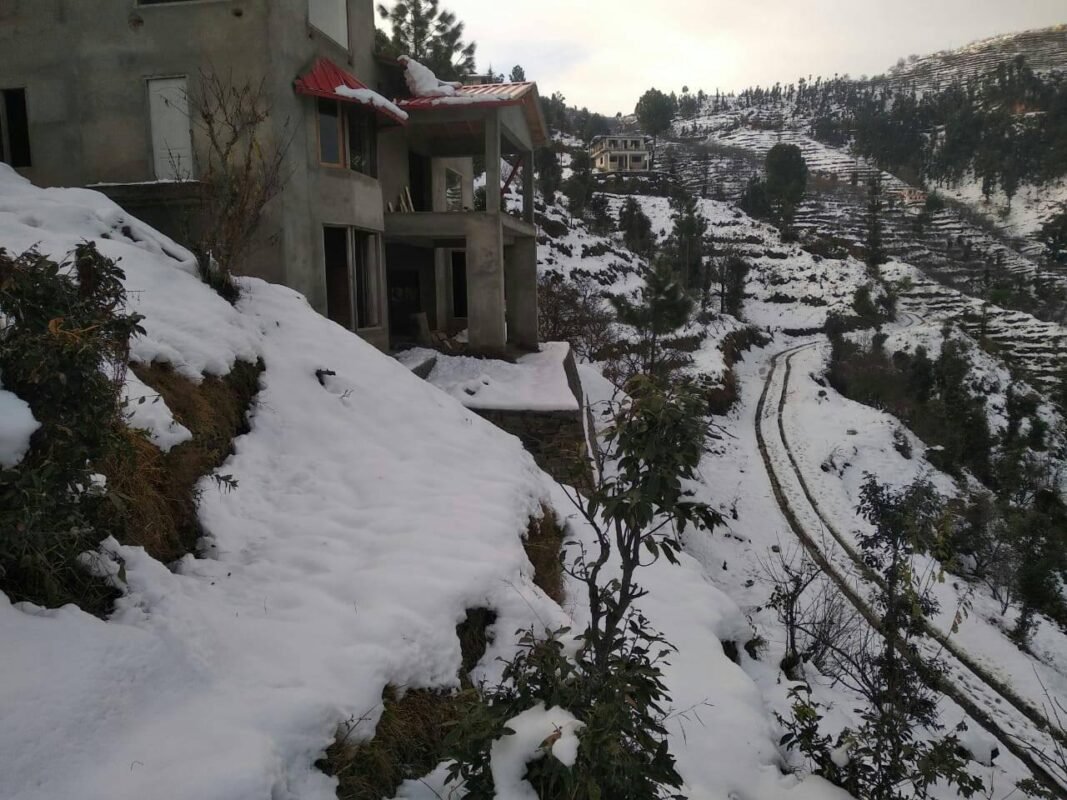
Scene of snowfall near Katie’s Abode, Hartola homestay
Winter in Hartola is a season that I have come to appreciate immensely, despite the considerable drop in temperatures and the occasional inconveniences associated with living in the mountains.
The landscape acquires a certain stillness, the days are shorter, the nights considerably colder, and the possibility of snowfall adds an element of excitement to an otherwise quiet existence.
Yes, it does snow in Hartola, although snowfall is neither predictable nor guaranteed on any particular date. Even without snow, however, the crisp winter mornings, clear Himalayan views and evenings spent in the warmth of the cottage make it a wonderful time for those who enjoy the colder months.
More Than Just a View of the Mountains
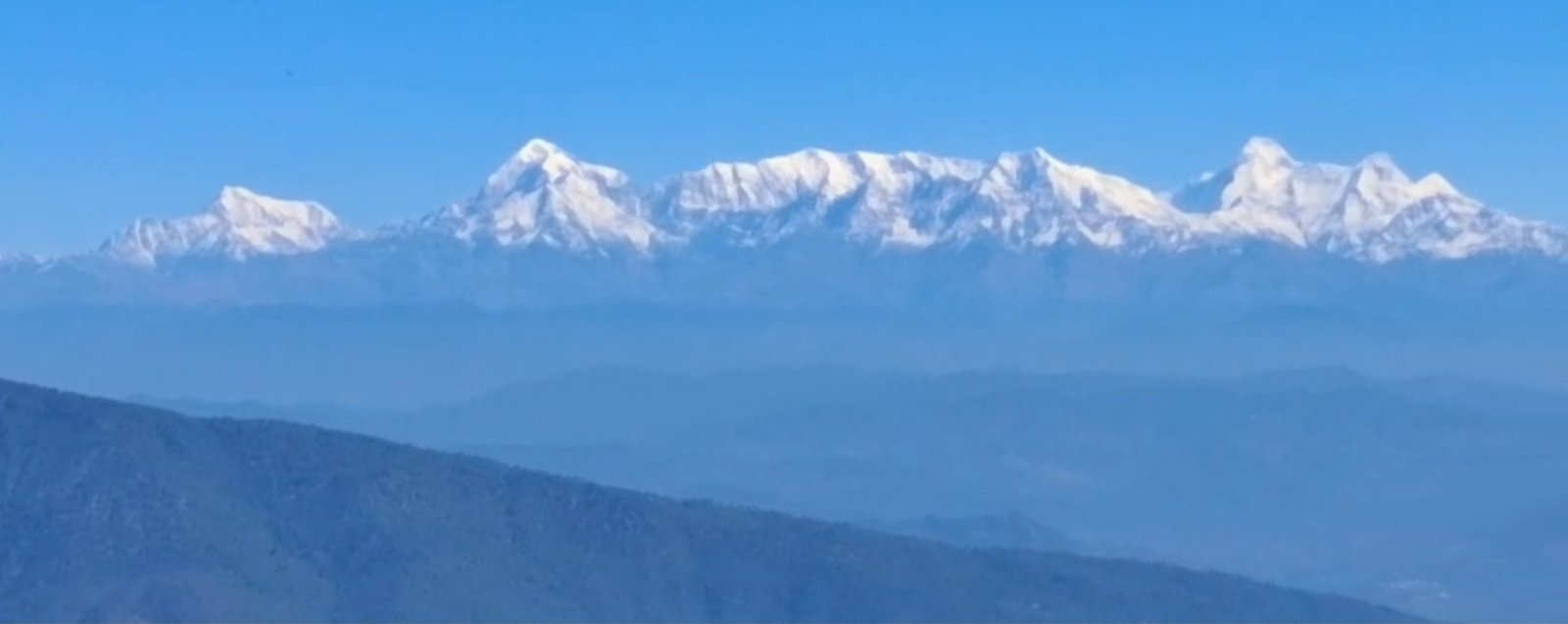
The Himalayan range from Katie’s Abode Hartola
Although the Himalayan panorama is undoubtedly one of Hartola’s greatest attractions, restricting one’s appreciation of the village to its mountain views would be doing considerable injustice to everything else it has to offer.
The surrounding oak forests, fruit orchards and terraced fields provide ample opportunities for leisurely walks, while the abundance of mountain birds makes Hartola an interesting destination for birdwatchers and wildlife photographers.
Over the years, I have increasingly come to appreciate the smaller things that one tends to overlook while living in the cities, whether it is the distinctive call of a mountain bird, the appearance of the first blossoms on our fruit trees, the sound of distant temple bells or the pleasure of watching Katie and Chloe explore their surroundings.
There is also an old Shiva temple in the village, and according to local belief, Hartola derives its name from ‘Har’, referring to Lord Shiva, and ‘Tola’, meaning a settlement.
The village has its share of folklore, stories and traditions, some of which I had documented in my earlier article about Hartola. For those interested in the history of the village, its population, agricultural practices and local infrastructure, that article remains a useful starting point.
Exploring Kumaon While Staying in Hartola
Another aspect of Hartola that I believe makes it an attractive holiday destination is its proximity to several other interesting places in Kumaon.
Mukteshwar, Ramgarh, Nainital, Kainchi Dham and Dhokaney Waterfall can all be considered for day trips, depending on one’s interests and the prevailing road conditions.
I have often wondered why travellers necessarily need to stay in the middle of a busy tourist destination to explore it, particularly when they have the option of returning in the evening to the tranquillity of a village like Hartola.
One could spend the day visiting the temples, cafés, markets and tourist attractions of the surrounding towns, before returning to a quiet cottage in the mountains, where the evening need not be dictated by traffic, crowds or the clamour of commercial establishments.
That, to my mind, offers the best of both worlds.
How Many Days Should You Spend in Hartola?
I would recommend spending at least three nights in Hartola, particularly if you are driving all the way from Delhi NCR.
A substantial portion of your arrival and departure days will naturally be spent travelling, and a two-night holiday effectively leaves you with just one complete day to experience the village.
Three or four nights would allow you to explore the surroundings at a leisurely pace, undertake a day trip to one of the nearby destinations and still have sufficient time to enjoy the very tranquillity for which you chose to visit Hartola.
Of course, you could spend an entire week here without following any elaborate itinerary, provided you are someone who appreciates the pleasures of an unhurried holiday.
Has Hartola Changed for the Better?
There is no denying that the village is more accessible today than it was when we first came here, that accommodation options have increased and that Hartola is gradually finding a place on the tourist map of Uttarakhand.
As someone who runs a homestay, I naturally welcome the growing recognition of our village, although I would be equally reluctant to see Hartola develop into another congested hill station, eventually losing the very qualities that make it attractive to visitors today.
Improved infrastructure and greater economic opportunities for local residents are undoubtedly desirable, but I sincerely hope that the development of tourism does not come at the expense of the forests, orchards, agricultural land and peaceful rural environment that constitute Hartola’s identity.
The challenge, perhaps, lies in allowing more people to discover Hartola without destroying what they have come here to discover.
As for us at Katie’s Abode, our little journey continues. Katie has grown older, Chloe has brought a renewed exuberance into our lives, the road leading to our cottage is finally metalled, and the name Hartola no longer requires quite as much explanation as it once did.
Yet, on a clear morning, when the first rays of sunlight fall upon Trishul and the silence is broken only by the calls of mountain birds, I am reminded of why we chose this little corner of the Himalayas all those years ago.
And I hope that, despite everything that changes in the years to come, that feeling remains unchanged.